
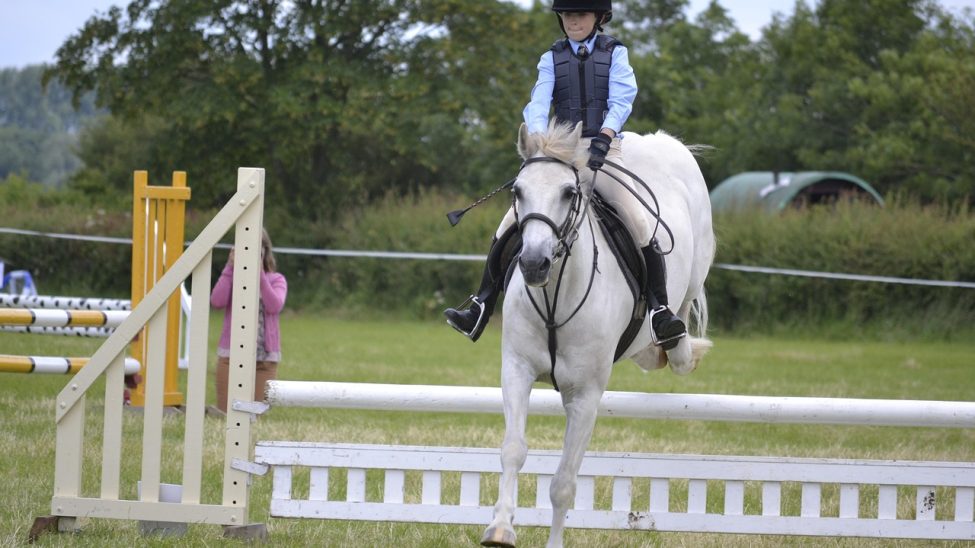
Mastering the Art of Equestrian Event Planning: A Step-by-Step Guide
Equestrian events are a unique blend of elegance, athleticism, and excitement, making them a popular choice for both participants and spectators. Whether you’re organizing a local horse show, a dressage competition, or a grand equestrian gala, the planning process can be daunting. However, with a strategic approach, you can create an unforgettable experience for everyone involved. Here’s a comprehensive guide to mastering the art of equestrian event planning.
Step 1: Define Your Objectives
Before diving into the logistics, it’s crucial to define the objectives of your event. Are you aiming to raise funds for a charity, promote local equestrian talent, or simply provide a fun day out for families? Your objectives will guide every decision you make, from the venue selection to the types of activities you include. Take time to write down your goals and share them with your planning team to ensure everyone is on the same page.
Step 2: Set a Budget
Once you have a clear understanding of your objectives, it’s time to set a budget. Consider all potential expenses, including venue rental, equipment, permits, insurance, marketing, and refreshments. Don’t forget to allocate funds for unexpected costs that may arise. If you’re working with a limited budget, explore sponsorship opportunities or partnerships with local businesses to help offset costs. Remember, a well-planned budget can make or break your event.
Step 3: Choose the Right Venue
The venue is one of the most critical aspects of your event. It should not only accommodate the expected number of attendees but also provide the necessary facilities for the activities you plan to host. Consider factors such as accessibility, parking, and amenities like restrooms and seating. If you’re hosting a competition, ensure the venue has appropriate arenas and stabling options for the horses. Visit potential venues in person to get a feel for the space and envision how your event will unfold.
Step 4: Plan the Schedule
A well-structured schedule is essential for keeping your event running smoothly. Outline the timeline for each activity, including warm-ups, competitions, and breaks. Make sure to communicate this schedule to all participants and volunteers ahead of time. Flexibility is key; be prepared to adjust the schedule as needed on the day of the event. Consider incorporating fun activities for spectators, such as demonstrations or meet-and-greets with riders, to enhance their experience.
Step 5: Assemble Your Team
No event can be successful without a dedicated team. Recruit volunteers or hire professionals to help with various aspects of the planning and execution. Assign roles based on individual strengths and interests, whether it’s managing registrations, coordinating logistics, or handling marketing. Regular meetings will keep everyone informed and motivated, ensuring that tasks are completed on time.
Step 6: Promote Your Event
Effective marketing is crucial for attracting participants and spectators. Utilize social media platforms, local equestrian clubs, and community bulletin boards to spread the word. Create eye-catching flyers and consider offering early bird registration discounts to encourage sign-ups. Engaging with local media can also help increase visibility. The more people know about your event, the more successful it will be.
Step 7: Execute the Plan
On the day of the event, stick to your schedule as closely as possible. Ensure that all team members are aware of their responsibilities and have the resources they need to execute their tasks. Keep an eye on the overall flow of the event and be ready to make quick decisions if issues arise. Remember to enjoy the day and celebrate your hard work!
Step 8: Gather Feedback
After the event, take time to gather feedback from participants, spectators, and your team. What worked well? What could be improved for next time? This information is invaluable for planning future events. Consider sending out a survey or holding a debrief meeting to discuss everyone’s experiences.
Step-by-step plan:
Step 1: Define your objectives clearly.
Step 2: Set a realistic budget and explore funding options.
Step 3: Choose a suitable venue that meets your needs.
Step 4: Plan a detailed schedule and communicate it effectively.
By following these steps, you can ensure that your equestrian event is not only well-organized but also enjoyable for everyone involved. With careful planning and execution, your event can become a highlight in the equestrian calendar, bringing together riders, families, and fans in a celebration of equestrian excellence.